
.png)

.png)
.png)


Addicted to Thinking, Afraid of Living

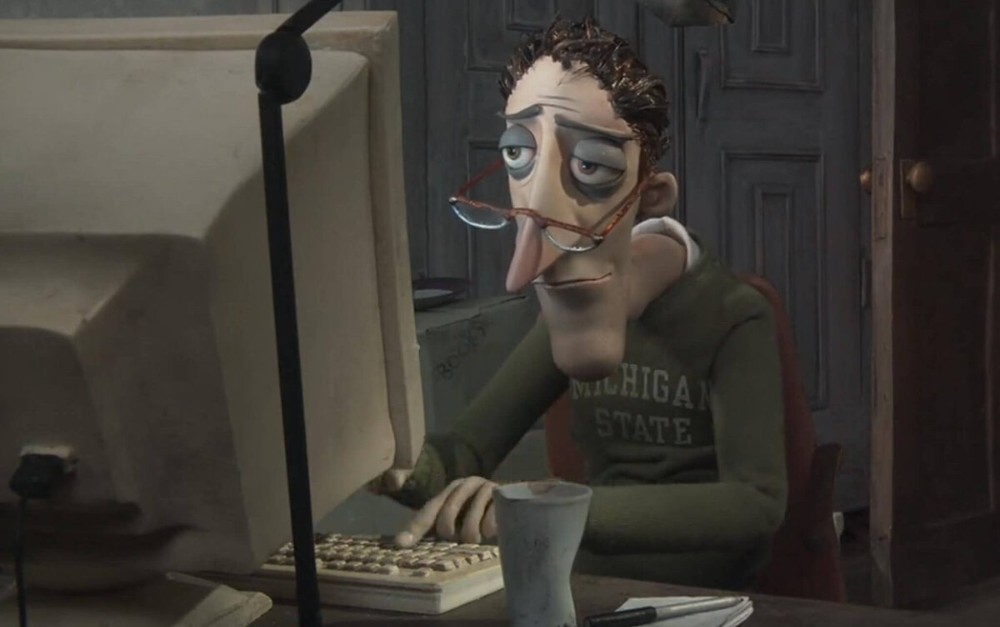
This is me when the sun’s out and I’m spending it inside looking at a screen, editing this video you’re watching right now. Or when it’s past midnight and I’m glued to my chair whilst everyone else is sleeping. Just me, my desk and my inflated expectations. The sobering truth? Nothing good ever comes after midnight. What felt like gold at 2am was actually frantic ramblings from a malnourished mind. Cancel plans, work odd hours, and soon your hobby’s a miserable chore. What began as a passion, devolved into a way to excuse taking the next day off, watching TV guilt-free, like someone who’s on a diet and fasts for a day, just so he can have a whole tub of conscience-free ice cream tomorrow.
Although this is still a work in progress—and yes, I get the irony of writing about writing too much—this confession will reveal how to break free from the ‘metaphorical’ chair and think less, live more.
The Armchair Adventurer
Being an amateur writer with hermit tendencies, it’s so easy for me to become isolated and live life stuck in a chair. (picture = Bart Simpson). If I were to live the rest of my life this way, where the closest thing to experience would be when I stare out the window, or when I order a takeaway at an ungodly hour, life would pass me by and I would be nothing but an armchair adventurer. More on this neurosis later but briefly, the armchair adventurer is a hermit who lives a provisional life as if it were a dress rehearsal, spending his days in the safety of his own home as if he will get another life to make up for his lack of adventure in his current one. The Greek philosopher Seneca says this existence is what defines the fool, in his words “the fool is always getting ready to live”. They’re experts at telling people what their plans are but rarely go further than that, just ideas without action. But, as Carl Jung said, “you are what you do, not what you say you’ll do”.
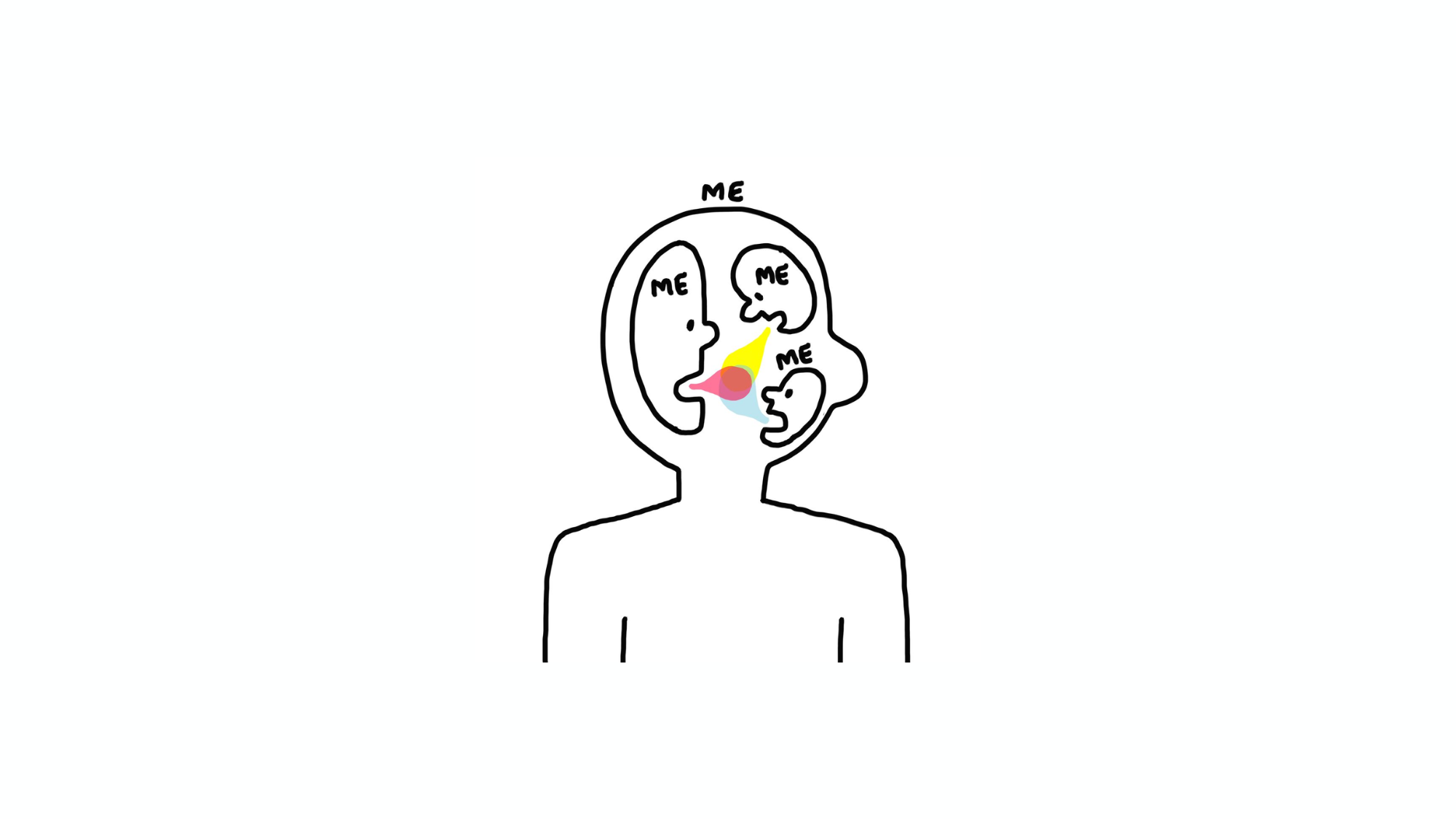
Although I’ve learnt to keep my own plans to myself, what I am susceptible to is overthinking and ‘under-living’. I’m 26, I shouldn’t be trapping myself inside, overthinking about life’s problems, I should be experiencing the real world, living life.
Before we were all chronically online, previous generations would have the village hermit, who would shut himself off from the world but he’d still have to venture out for supplies. We now live in a time where you can order a Filet Mignon on Uber Eats in the middle of the night and ask them to drop it at your door, no interaction necessary.
It’s also never been easier to simulate experience through a screen which can offer us limitless portals into other people’s more adventurous lives that we’re too afraid to live ourselves, further bypassing the guilt of not leaving the house until before you know it, you’ve become the hermit who camps upstairs in a family gathering whilst they gossip about you at the table (meme).
Personally, I think I’m more prone to putting off living because I’ve merged my hobby with my career so it is easier to justify working over the clock and cancelling plans. Too often, I’ve decided to stay in instead of going out with friends because I feel as if I would be wasting valuable time being away from my screen of endless possibilities and promises. Even if I have writer’s block, I would try to force it, instead of taking it as a sign that I need to find more inspiration living in the real world. The philosopher Nietzsche once said “All truly great thoughts are conceived while walking”, (if you can’t walk, any form of locomotion’s accepted). [1]
Even outdoors, I’d sometimes zone out mid-chat when the topic is ‘what’s your favourite biscuit’ and my brain would be like: If you keep taking parts of the biscuit away, when does it stop being a biscuit?
Psychoanalysis of the Armchair Adventurer
Carl Jung would attribute this neurosis to the figure of the Sage, specifically the darker manifestation. If you’re not aware, the Sage is often portrayed in film and literature as an old man who has broken away from materialism, opting to live simply, whether it be in a hut in the forest or meditating in the mountain. Think Merlin or Gandalf. Well, the shadow version of this figure, is a person who becomes paralyzed by their own wisdom/knowledge and through insecurity, hoards it for themselves.
Shameless plug but here’s a short excerpt from my recent book that unpacks this shadow side, i.e. the “armchair adventurer”:
In the writers Moore and Gilette’s analysis of the Sage archetype, they observe the potential negative consequences of living a life of solitude. They claim that due to the solitary man’s abundant knowledge, he is prone to overthinking and, as a result, lives a life of inaction. In their words, “through fear of making the wrong decision he makes none, he only sits on the rock and thinks, [he is] an “armchair adventurer”. [2] The writer H.G Baynes describes this as the “provisional life”. It can be brought about through having a fear of failure which paralyses you to the spot as you don’t want to make a fool of yourself.
What this fear-ridden individual fails to see here is how this passive, non-committal existence nullifies their essence. In the Chinese Taoist text the Tao Te Ching, Lao Tzu writes:
One who excels in safeguarding his own life does not meet with the rhinoceros or tiger when travelling on land nor is he touched by weapons when charging into an army. [3]
Lao Tzu explains that the Sage, in his attempts to control knowledge, can lose sight of his purpose: to help those who need it. He writes that “the Sage has no mind of his own. He takes as his own the mind of the people [...] and treats them all like children”. [4]
This is a centuries-old warning to individuals who harness the knowledge of the Sage and must always monitor their ego and keep it in check, remembering the philosopher Socrates’ maxim: ‘The more I learn, the less I realize I know’. Too often we can’t help but get carried away when we absorb more and more information. I noticed this myself, particularly when I would pull an all-nighter researching and writing. As I said before, the issue with this is I would take the next day off and get complacent the rest of the week as I felt sufficiently flattered by my own drive. However, what I realised is whenever I did this, I would always be disappointed by the outcome
Closing Thoughts
To put a ribbon on this, we must go to the limits of what we can endure so we can know the value in experiencing life. We must also let go of the fear of failure, stop living in a fantasy through watching other people live their lives on a screen and live a little. If we live life through a window, we’ll live provisionally, using empty ideas as our currency, an abstraction from reality. Ideas alone lead us to nowhere, just the same place we started, our armchair. As Seneca once said “No man is more unhappy than he who never faces adversity. For he is not permitted to prove himself”. However, if we lead with our actions (i.e. experience) following from ideas, we are able to align ourselves with the person we want to be, someone who, as the Roman Emperor Marcus Aurelius said, is “consistent [with their] thoughts and actions”.
Thanks for reading,
Brandon
Sources:
[1] Friedrich Nietzsche – Twilight of the Idols
[2] King, Warrior, Magician, Lover by Douglas Gilette and Robert Moore
[3&4] Lao Tzu (2018). The Tao Te Ching. Pg 55
mood follows action
I share ideas, tools and things I’m building to help you act with more confidence, clarity and self-trust for free here:
Happy to have you here!
try refreshing the page and trying again!
